

March Comes In Like a Lion, Out Like a Lamb — and Leaves Damage Behind
March Comes In Like a Lion, Out Like a Lamb — and Leaves Damage Behind.
Exterior paint damage leads to interior repairs.
In Central Maryland, the saying “March comes in like a lion and goes out like a lamb” often holds true. Late-winter storms can bring snow, ice, freezing rain, and strong winds, only to be followed by milder temperatures and spring rain just weeks later. While the warmer days are welcome, this dramatic shift in weather often exposes damage to a home’s exterior — especially its paint. What many homeowners don’t realize is that exterior paint damage is often the first step in a chain reaction that leads to interior repairs.
Throughout winter, repeated freeze-thaw cycles take a toll on exterior paint. Moisture from snow and ice seeps into tiny cracks around siding, trim, windows, and doors. When temperatures drop, that moisture freezes and expands, causing paint to crack, blister, or lose its bond with the surface beneath. These changes aren’t always visible during cold weather, but the damage is still occurring. By the time March arrives and temperatures begin to rise, the weakened paint can no longer hide the stress it has endured.
As winter loosens its grip and March warms up, melting snow and early spring rain begin to move through those compromised areas. Paint that once acted as a protective barrier now allows moisture to slip behind siding and trim. Homeowners may start noticing peeling or flaking paint, dark streaks on exterior walls, or softened wood around windows and doors. This is the “lion” part of March, revealing what it left behind.
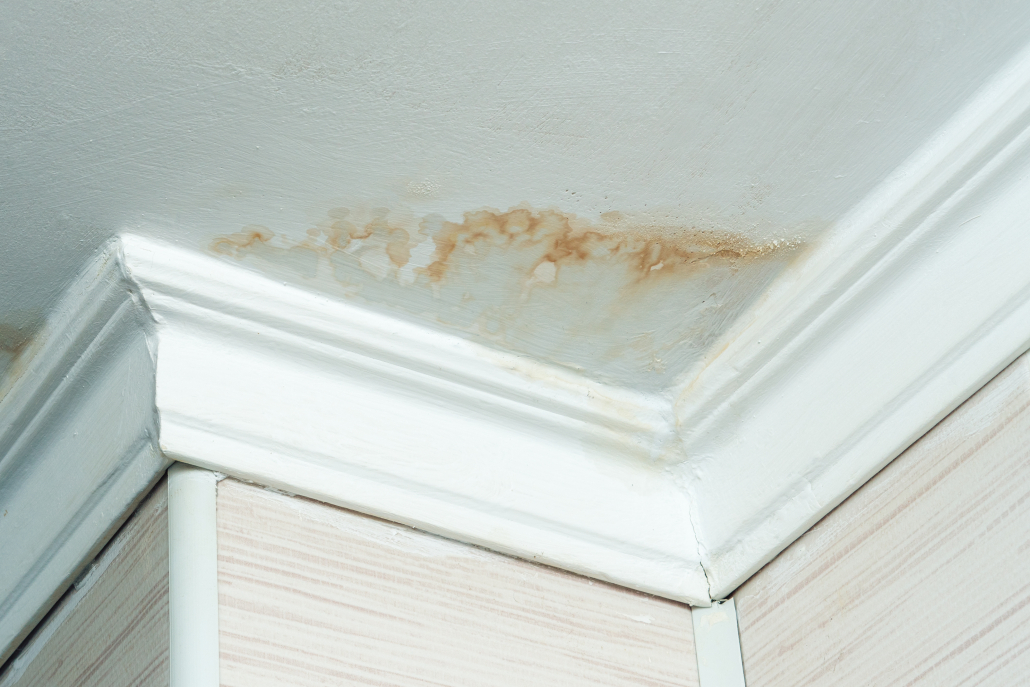
Unfortunately, the effects don’t stop at the exterior. Once moisture gets behind paint and siding, it can migrate into wall cavities, insulation, and framing. Over time, that moisture finds its way inside, where it shows up as water stains on drywall, bubbling or peeling interior paint, warped baseboards, or musty odors. In some cases, homeowners don’t connect interior damage to exterior paint failure because the symptoms appear weeks after the last snowstorm, often during the milder “lamb” phase of March.
The contrast between cold outdoor surfaces and warm indoor air also plays a role. During winter and early spring, warm air inside the home naturally moves toward cold exterior walls. When exterior paint has failed, those surfaces stay colder and allow condensation to form inside the wall system. This hidden moisture can worsen interior paint issues and increase the risk of mold or rot if left unaddressed.
March is often the turning point when winter damage finally becomes visible, making it one of the most important months for home inspections. What might look like a simple exterior paint issue can quickly turn into a larger interior repair if moisture intrusion continues into spring rains and rising humidity. Addressing peeling paint, failed caulking, or damaged trim early can prevent much more costly repairs later.
When March goes out like a lamb, it offers homeowners a valuable opportunity. The calmer weather provides the chance to inspect exterior paint, repair small problem areas, and stop moisture in its tracks before summer heat and humidity accelerate the damage. Taking action now helps protect not just curb appeal but also the integrity of the home itself.

