

Painting and Restoration – Bringing Back the Grand Entrance
Reviving Your Home’s Entrance: A Guide to Victorian Front Porch Restoration
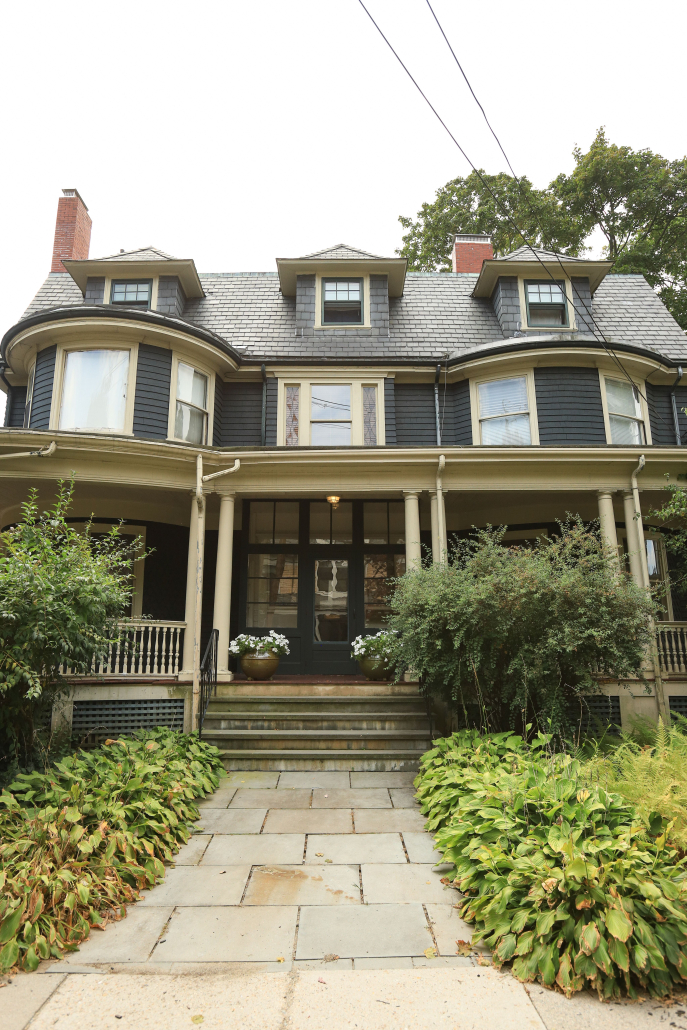
During the Victorian era, a home’s front porch was more than a place to enter the house; it was a public statement of social standing, wealth, and good taste. Designed to impress neighbors and passersby, these outdoor spaces showcased elaborate details that were made possible by the new ability to mass-produce ornate trim and millwork. Turned columns, decorative gingerbread, spindles, and intricate brackets transformed the porch into an elegant outdoor living room and an entertaining space to welcome guests.
More than a century of exposure to the sun, rain, and snow, and decades of well-intentioned but often incorrectly made repairs have left these porches stripped of their original character. Restoring a Victorian front porch requires balancing historical authenticity with modern building practices, materials, and safety standards. Here’s a brief outline for bringing these timeless features back to life.
1. Check the Foundation and Framing
Old homes come with problems that either occurred over time or are due to outdated technologies. Victorian porches often suffer from structural settling due to shallow footings or insufficient drainage.
- Inspect the Footings: Original brick or stone piers often sink or shift over time. Replace unstable bases with poured concrete footings below the frost line, and you can disguise them behind traditional brick facing or decorative lattice.
- Check Joists and Posts: Moisture tends to rot the bottom 6 to 12 inches of porch posts and rim joists. Rather than replacing entire hand-carved posts, experienced restorers often jack up the roof slightly to splice in new rot-resistant wood at the base (a technique known as a dutchman repair).
Restoration Tip: Always secure local building permits early. Historical district boards often require approval for structural changes and materials before work begins.
2. Restore or Replicate Architectural Millwork
The defining feature of a Victorian porch is its decorative woodwork, spindles, brackets, trim, and turned posts and pillars.
|
Element
|
Common Issue
|
Best Restoration Approach
|
|
Spindles & Balusters
|
Missing or split | Turn replacements on a lathe using original pieces as templates |
|
Gingerbread Brackets
|
Water rot at joint seams | Consolidate soft wood with liquid epoxy or cut matching Dutch inserts |
|
Handrails
|
Modern flat boards installed | Re-profile historic molded cap rails designed to shed rainwater |
When custom-milling replacement trim, choose decay-resistant woods like Western Red Cedar, Spanish Cedar, or Accoya. Avoid pressure-treated pine for detail work, as it tends to warp as it dries.
3. Floor Decking
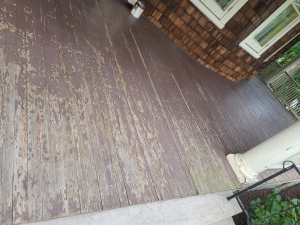
Victorian porch floors were almost always built with 1×3 or 1×4 tongue-and-groove boards, typically made of fir, pine, or cedar. Today, homeowners have many choices. Authentic hardwoods or zero-maintenance synthetic alternatives are available to replicate or replace traditional porch flooring.
- Slope for Drainage: Ensure the floor slopes away from the house at 1/4 inch per foot to prevent standing water.
- Back-priming: If using hardwood, prime all four sides and the tongue-and-groove edges of every board with oil-based primer before installation.
- Tight Joints: Make sure boards are installed tightly and are “blind-nailed” through the tongue so nails don’t show.
4. Accurate Color Palettes
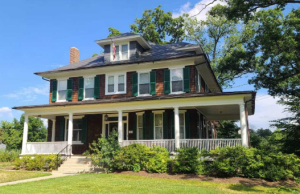
When considering what color to use when front porch painting, understand that Victorian color schemes were grand and included multiple colors. Plain white was rarely used. Depending on the era (Gothic Revival, Italianate, or Queen Anne), porches featured rich colors that highlighted the architecture.
- The Three-Color Rule: Use a body color for walls/ceilings, a trim color for railings and post frames, and an accent color for detailing.
- Historic Shades: Deep olive greens, rich terracotta, warm ochre, and dark burgundy are classic choices.
- Ceiling Tradition: Paint the porch ceiling a soft sky blue (“Haint Blue” or historic grey-blue) to reflect light and resemble the sky.
Preserving History
Restoring a Victorian front porch isn’t a quick weekend project, but preserving the craftsmanship of a past era adds curb appeal and value to your home. Take it step by step, protect original materials wherever possible, and enjoy the process of bringing history back to life.
